

W.E. Berry film poster, ‘Mary Poppins’, 1964.
W. E. Berry Ltd., (1888 to 2004) was in its time one of the most significant producer and printer of film, circus, railway and theatre posters in Britain.
The company was established at Currer Street, Bradford, initially by William Berry, but his son, William Edward Berry, took over in the early part of the 20th century and the business took his name.
In the 1920s, William E. Berry met Fred Martin of the Paramount Studios and entered into a business relationship that quickly established the company as one of the leading producers, printers and distributors of film posters, not just for Paramount, but later for other film companies too, both in Britain and the USA. These included Rank, Disney, Gainsborough, Ealing, and Colombia.
W.E. Berry Ltd. maintained its status as a major player in the film printing world up until the mid 1980s; in its heyday it was estimated that the company designed around three-quarters of all the film posters produced in Britain.
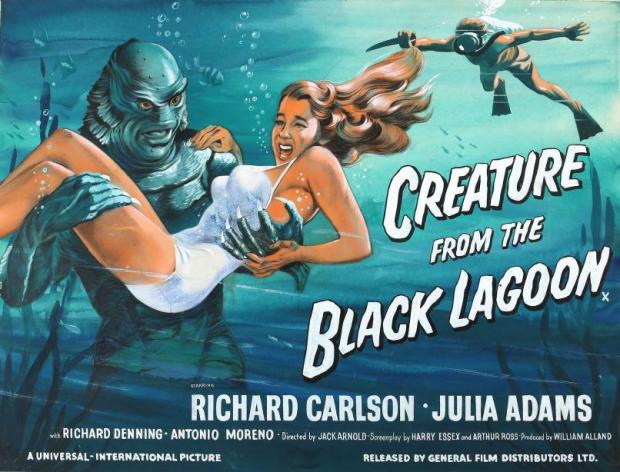
Its success was largely due to being able to produce posters of Quad: 30 x 40 inches size, landscape format that became the standard at that time for UK film posters. Berry, in the early days of film poster printing was one of only three British printers with the market capacity to produce stone lithography posters at the volume required by the major studios.
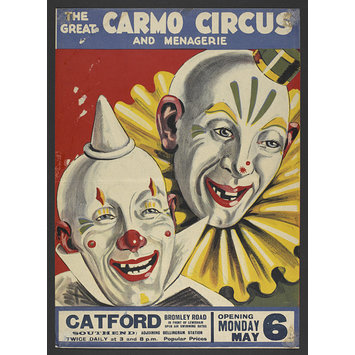
The company also produced posters for railway companies and for British and European circus troupes, including Bertram Mills, Billy Smart, Chipperfields, and The Great Carmo.
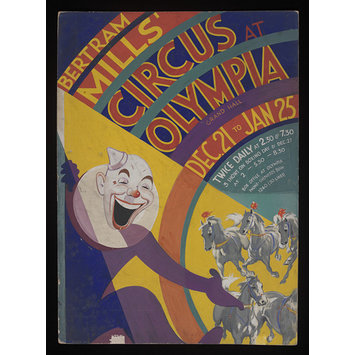
Bertram Mills Circus poster. Designer: Leon Crossley. Circa early 1950s. Image: V&A Collection.
The chief illustrator at the company was Leon Crossley (see above example of his work) and a team of freelance commercial artists, were also used to produce hand-drawn poster designs, based on artwork supplied to them.
By the late 1990s W.E. Berry was still a flourishing concern with 140 employees. They had moved from Bradford to Baildon in the 1970s, but ran into financial difficulties and the business closed in 2004.
Notable film posters produced included: ‘The Ten Commandments’ (1923); ‘Oliver Twist’ (1948); ‘Mary Poppins’ (1964); ‘The Way of the Dragon’ (1972); ‘Star Wars’ (1977), ‘Raise the Titanic’ (1980); and ‘Flash Gordon’ (1981). One of the last film posters printed by Berry’s was for Sam Raimi’s black comedy, ‘Crimewave’ (1986).
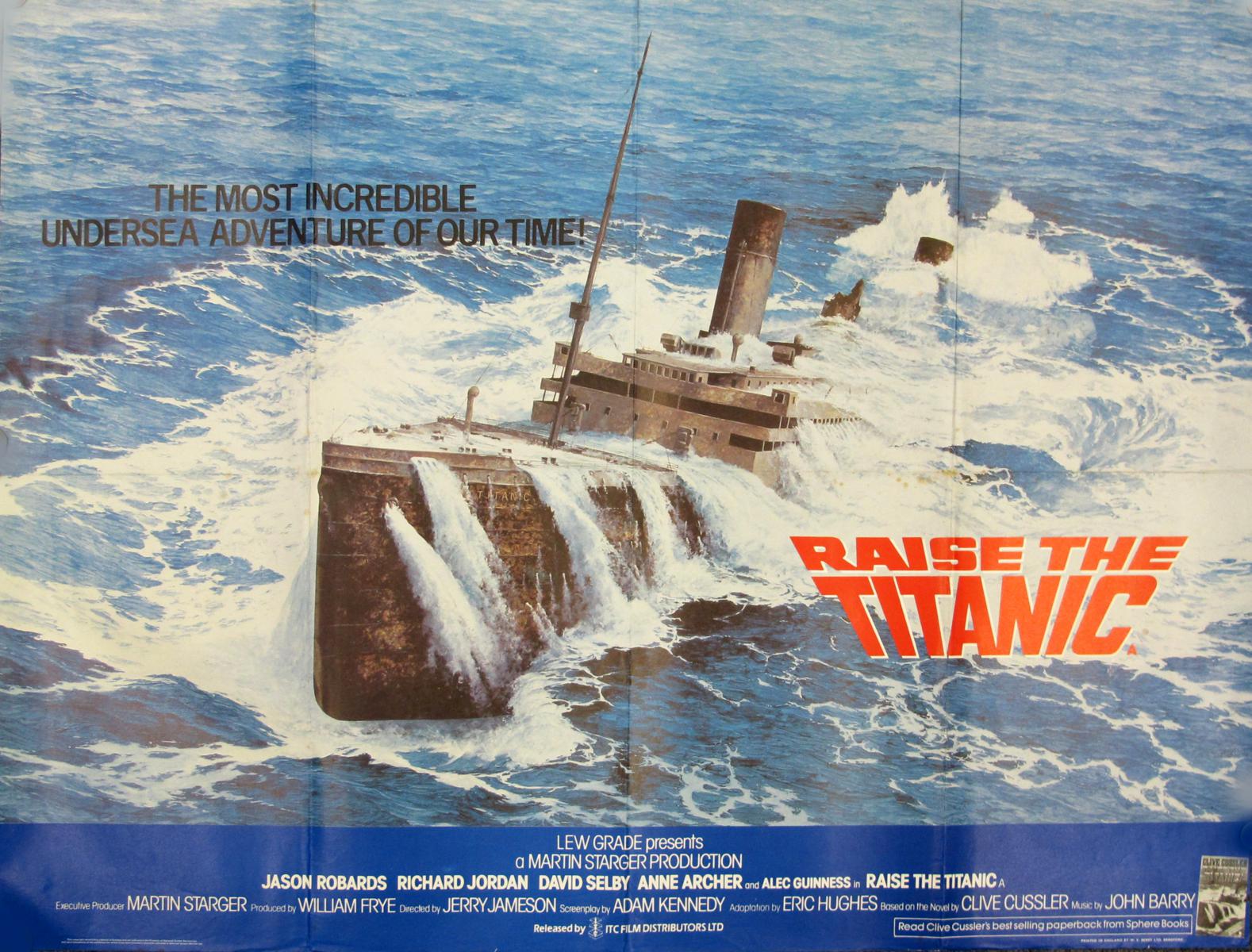
The presses on which these posters were printed, along with some of the printing blocks, are now in the collection of Bradford’s Industrial Museum.
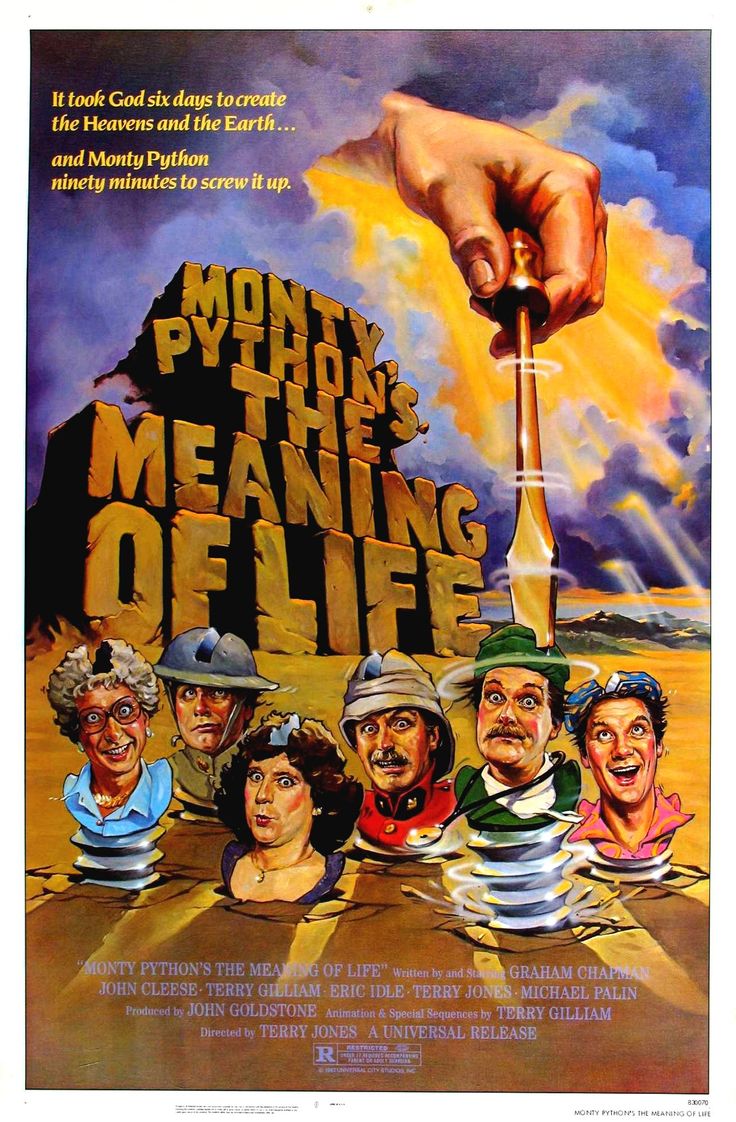
The National Museum of Photography, Film and Television (now The National Science and Media Museum) in Bradford, before the closure of the company, acquired a collection of 300+ posters, donated by the firm’s managing director, Peter Lee, and by some of the artists who worked for the company. Other members of the public also donated posters, including the Bradford-born film-maker Steve Abbott, who gave one of his own W.E. Berry posters promoting the Monty Python film, ‘The Meaning of Life’. A further 50 were donated by the Merseyside Film Institute.
The V&A in London also holds a large collection of early Berry circus and theatre posters.
In 2017, Bradford Museums and Galleries mounted an exhibition of British circus memorabilia at Cartwright Hall. The exhibition, ‘Decades of Delight’, included a selection of Berry posters produced for the circus (see example below).
Pingback:Cupola: A Circus Installation & Decades of Delight: 250 Years | Bradford Museums & Galleries Blog